
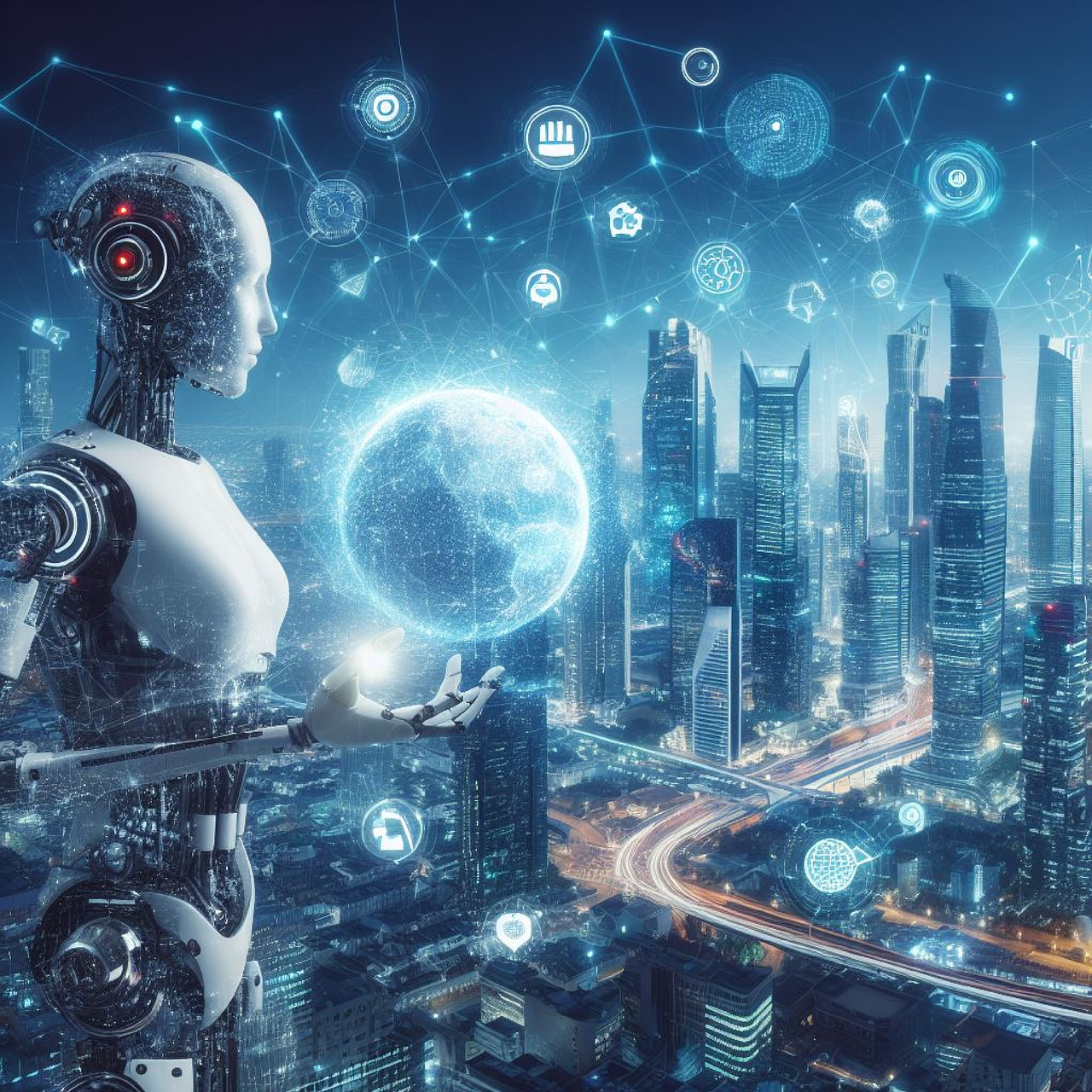
The integration of artificial intelligence (AI) tools, particularly generative models like ChatGPT, is revolutionizing both work and education. As we move into 2025, the impact of these technologies is becoming increasingly evident, reshaping how individuals learn, collaborate, and perform tasks across various sectors. This article explores the transformative effects of AI tools on work habits and educational practices, highlighting the opportunities and challenges they present.

The Rise of Generative AI in Education
Generative AI has emerged as a powerful tool in educational settings, offering personalized learning experiences that cater to individual student needs. Unlike traditional educational methods, which often adopt a one-size-fits-all approach, AI tools can analyze student performance data and adapt content accordingly. This capability allows educators to provide tailored support, ensuring that each student can progress at their own pace.
Personalized Learning Experiences
One of the most significant advantages of generative AI is its ability to create customized learning paths. For instance, platforms powered by AI can assess a student’s strengths and weaknesses, generating exercises that target specific areas for improvement. This personalized approach not only enhances student engagement but also fosters a deeper understanding of the material.
Enhanced Assessment Methods
AI tools are also transforming assessment practices. Traditional testing methods often fail to capture a student’s true understanding of a subject. In contrast, AI can facilitate continuous assessment through interactive quizzes and real-time feedback. This shift allows educators to monitor student progress more effectively and adjust their teaching strategies as needed.

AI’s Role in Shaping Work Habits
As AI tools become more prevalent in the workplace, they are reshaping work habits and productivity. Employees are increasingly leveraging AI to streamline tasks, enhance collaboration, and improve decision-making processes.
Streamlining Administrative Tasks
AI tools like ChatGPT can automate routine administrative tasks, such as scheduling meetings, managing emails, and generating reports. By reducing the time spent on these activities, employees can focus on more strategic initiatives that require critical thinking and creativity. This shift not only boosts productivity but also enhances job satisfaction, as employees can engage in more meaningful work.
Facilitating Collaboration
In a world where remote work is becoming the norm, AI tools are playing a crucial role in facilitating collaboration among teams. ChatGPT, for example, can assist in brainstorming sessions by generating ideas and suggestions based on the context provided by team members. This collaborative approach fosters innovation and encourages diverse perspectives, ultimately leading to better outcomes.
The Impact on Social and Emotional Learning
The integration of AI in education is not limited to academic performance; it also extends to social and emotional learning (SEL). Educators are increasingly exploring how AI tools can support the development of essential social skills in students.
Building Empathy and Communication Skills
AI-driven platforms can simulate social interactions, allowing students to practice communication skills in a safe environment. For instance, students can engage in role-playing scenarios with AI chatbots, helping them develop empathy and understanding in various social contexts. This practice is particularly beneficial for students who may struggle with social interactions in real-life situations.
Addressing Mental Health Concerns
The rise of AI tools also presents opportunities to address mental health concerns among students. AI can provide resources and support for students facing emotional challenges, offering coping strategies and connecting them with appropriate services. By integrating mental health support into educational platforms, schools can create a more holistic approach to student well-being.
Challenges and Ethical Considerations
While the benefits of AI tools in education and the workplace are substantial, there are also challenges and ethical considerations that must be addressed.
Data Privacy and Security
The use of AI tools often involves the collection and analysis of vast amounts of data. This raises concerns about data privacy and security, particularly in educational settings where sensitive information about students is involved. Educational institutions must implement robust data protection measures to safeguard student information and comply with relevant regulations.
The Risk of Over-Reliance
Another challenge is the potential for over-reliance on AI tools. While these technologies can enhance learning and productivity, it is essential to strike a balance between leveraging AI and maintaining human interaction. Educators and employers must ensure that AI complements rather than replaces the critical role of human judgment and creativity.
The Future of Work and Education with AI
As we look ahead, the future of work and education will undoubtedly be shaped by the continued evolution of AI tools. Organizations and educational institutions must adapt to these changes to remain competitive and effective.
Embracing Lifelong Learning
The rapid pace of technological advancement necessitates a commitment to lifelong learning. Both employees and students must be prepared to continuously update their skills and knowledge to keep pace with AI developments. Educational institutions should prioritize teaching students how to work alongside AI tools, fostering a mindset of adaptability and resilience.
Collaboration Between Humans and AI
The most successful organizations will be those that embrace collaboration between humans and AI. By leveraging the strengths of both, businesses can create innovative solutions and drive progress. In education, this collaboration can lead to more effective teaching methods and improved student outcomes.

Conclusion
The integration of AI tools like ChatGPT is transforming work habits and educational practices in profound ways. As we move into 2025, the potential for these technologies to enhance personalized learning, streamline administrative tasks, and support social-emotional development is immense. However, it is crucial to address the challenges and ethical considerations that accompany this transformation. By fostering a collaborative approach between humans and AI, we can create a future where technology enhances our capabilities and enriches our experiences in both work and education.