
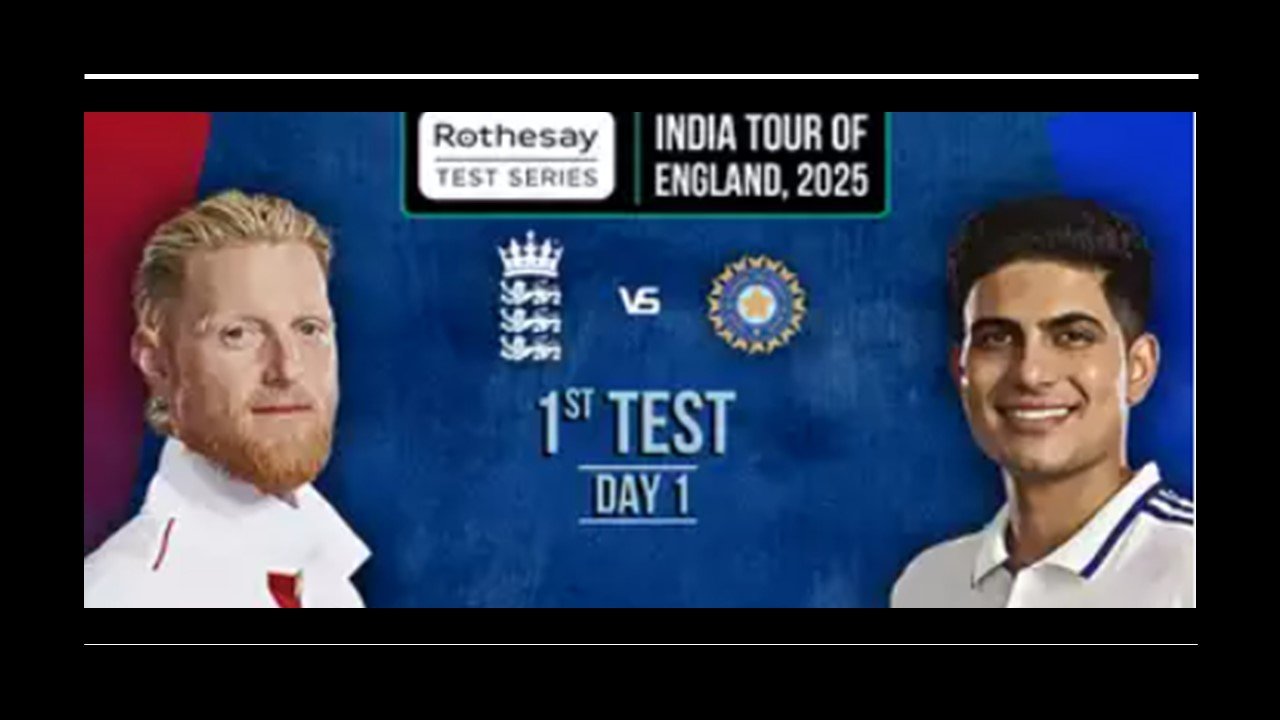
The ongoing Test series between India and England has garnered significant attention, particularly due to its historical context and the evolving dynamics of both teams. As the series unfolds, several key points emerge that highlight the competitive spirit, individual performances, and strategic decisions that could influence the outcome. This article delves into these crucial aspects, providing a comprehensive overview of the ongoing Test match.

Historical Context of the Series
The India-England Test rivalry dates back to 1932, making it one of the oldest in cricket history. This series is particularly significant as it marks a new chapter for Indian cricket, following the retirements of stalwarts like Virat Kohli and Rohit Sharma. The current Indian squad, led by Shubman Gill, aims to secure its first Test series victory on English soil since 2007.
Key Historical Milestones
- First Test Match: The inaugural Test match between India and England took place in 1932 at Lord’s.
- Notable Series Wins: India achieved its first Test series victory in England in 1971, a landmark moment in Indian cricket history.
- Recent Encounters: The last series in 2021 saw India winning the second Test at Lord’s, showcasing their potential in English conditions.
Current Series Overview
As the series progresses, the focus shifts to the performances of individual players and the strategies employed by both teams. The first Test at Headingley has already seen some remarkable displays of batting and bowling.
Match Summary
- Day 1 Performance: India ended the first day at 359 for 3, with Shubman Gill and Rishabh Pant leading the charge.
- Key Players: Shubman Gill’s captaincy and batting prowess have been instrumental, while Rishabh Pant’s aggressive style adds depth to the batting lineup. The match latest scorecard can be viewed in the following link.
Shubman Gill’s Leadership
Shubman Gill’s appointment as captain has brought a fresh perspective to the Indian team. His ability to lead from the front, both with the bat and in decision-making, is crucial for India’s success in this series.

Captaincy Highlights
- First Test as Captain: Gill’s leadership debut has been marked by a solid performance, including a century that sets the tone for the series.
- Strategic Decisions: His choices regarding batting order and field placements reflect a keen understanding of the game.
Rishabh Pant’s Impact
Rishabh Pant, known for his explosive batting, plays a pivotal role in the middle order. His ability to accelerate the scoring rate can change the momentum of the game.
Performance Insights
- Aggressive Batting: Pant’s innings have been characterized by aggressive stroke play, making him a key player in setting competitive totals.
- Partnerships: His partnerships with Gill have been crucial in stabilizing the innings after early wickets.

England’s Bowling Strategy
England’s bowling attack, led by Ben Stokes, has faced challenges in breaking through India’s batting lineup. The conditions at Headingley, typically favorable for seamers, have not yielded the expected results.
Bowling Analysis
- Pace Attack: The reliance on pace bowlers like Chris Woakes and Brydon Carse has been evident, but they have struggled to contain runs.
- Field Placements: Strategic field placements have been a point of discussion, with some critics suggesting that England could have been more aggressive.

Key Performances and Records
The series has already seen several standout performances that could define its outcome. Individual records and milestones are also at stake.
Notable Achievements
- Centuries: Shubman Gill’s century places him among a select group of Indian captains who have scored centuries in their first Test match as captain.
- Partnership Records: The partnership between Gill and Pant has been one of the highest for the fourth wicket in recent times.
Tactical Adjustments
As the series progresses, both teams will need to make tactical adjustments based on the conditions and performances observed in the early matches.
India’s Tactical Approach
- Batting Depth: India’s strategy revolves around building a deep batting lineup that can withstand pressure.
- Bowling Variations: The inclusion of spinners alongside pace bowlers aims to exploit the conditions as the pitch deteriorates.
England’s Counter Strategies
- Aggressive Fielding: England may need to adopt a more aggressive fielding strategy to create wicket-taking opportunities.
- Bowling Changes: Experimenting with different bowling combinations could be essential in breaking partnerships.
Fan Reactions and Expectations
The series has generated considerable excitement among fans, with social media buzzing with reactions to performances and match developments.

Social Media Buzz
- Player Praise: Fans have lauded Gill’s captaincy and Pant’s batting, with many expressing optimism about India’s chances.
- Criticism of England: Some fans have criticized England’s bowling strategy, calling for more aggressive tactics.
Conclusion: Looking Ahead
As the Test series continues, the focus will remain on how both teams adapt to the evolving dynamics of the match. The performances of key players like Shubman Gill and Rishabh Pant will be crucial in determining the outcome.
Future Matches
- Upcoming Tests: The remaining matches in the series will provide further opportunities for both teams to showcase their strengths and address weaknesses.
- Historical Significance: This series not only holds significance for the current players but also for the legacy of cricketing rivalry between India and England.
In summary, the ongoing Test series between India and England is shaping up to be a thrilling contest, with historical significance and individual brilliance at its core. As both teams strive for victory, the cricketing world watches closely, eager to see how this chapter unfolds.