
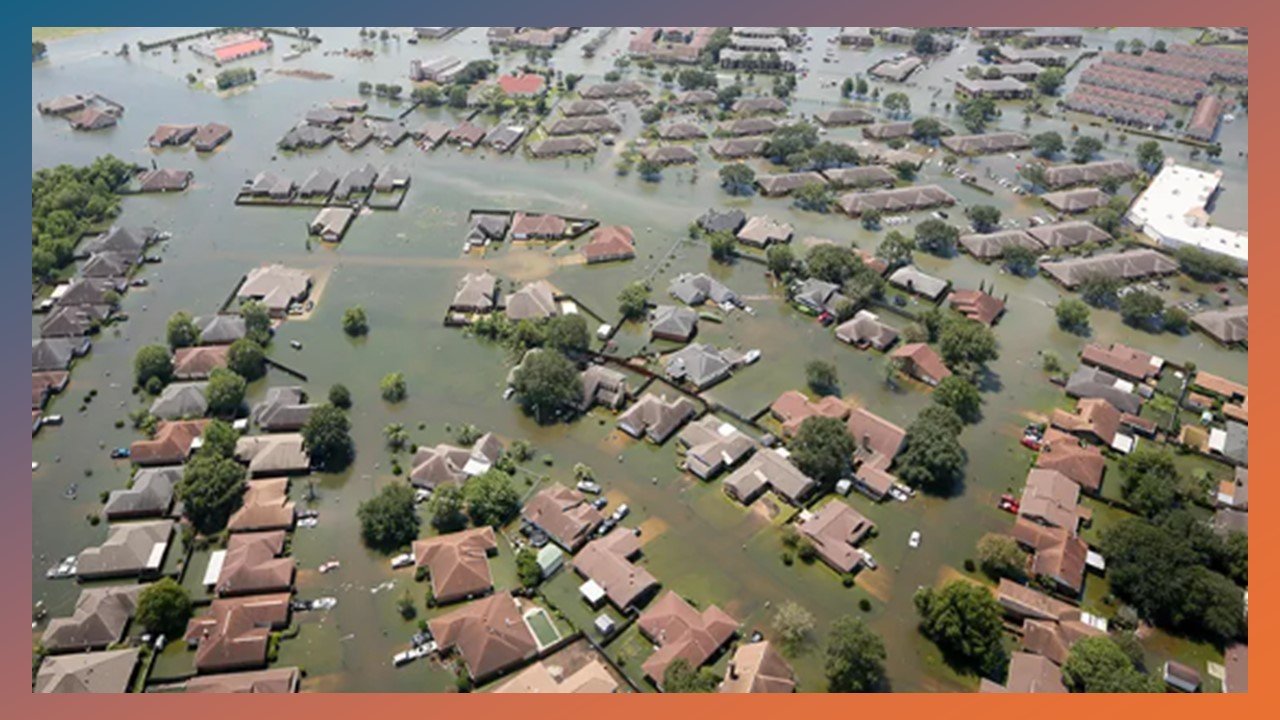
The recent flooding in Texas has emerged as a catastrophic event, claiming the lives of at least 27 individuals, including nine children. The disaster unfolded in the early hours of July 4th, when torrential rains caused the Guadalupe River to swell dramatically, leading to widespread devastation in central Texas. This article delves into the details of the flooding, the ongoing rescue efforts, and the implications for the affected communities.
The Onset of the Flooding
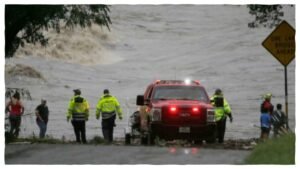
The flooding crisis began in the early morning hours, with the Guadalupe River rising nearly 28 feet within a short span of time. This rapid increase in water levels caught many residents and campers by surprise, as the storm unleashed heavy rainfall that exceeded forecasts. The National Weather Service had issued warnings, but the intensity of the rainfall was unexpected, leading to a situation that quickly escalated into a flash flood emergency.
Meteorological Factors
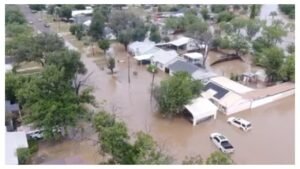
The extreme weather conditions were attributed to a slow-moving storm system that lingered over the region. Reports indicated that some areas received up to 12 inches of rain within just a few hours, a volume that is typically expected over several months. This sudden deluge transformed the usually tranquil river into a raging torrent, sweeping away homes, vehicles, and tragically, lives.
Community Impact
The flooding primarily affected Kerr County, located about 60 miles northwest of San Antonio. The area is known for its picturesque landscapes and recreational activities along the river, making it a popular destination for families, especially during the Independence Day holiday. The sudden onset of the flood disrupted celebrations and turned a festive occasion into a scene of chaos and despair.
Casualties and Missing Persons
As rescue operations commenced, authorities confirmed that 27 individuals had lost their lives due to the flooding. Among the deceased were nine children, which has heightened the emotional toll on the community. The Kerr County Sheriff’s Office reported that many of the victims were associated with Camp Mystic, a Christian summer camp for girls located along the riverbank.
Search and Rescue Operations
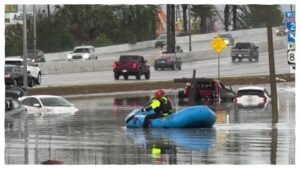
Rescue teams, including local law enforcement, the Texas National Guard, and volunteers, worked tirelessly to locate missing individuals. As of the latest reports, 27 campers from Camp Mystic remained unaccounted for, prompting frantic searches using helicopters, drones, and boats. The community rallied together, with families posting photos of missing loved ones on social media in hopes of receiving information.
Emotional Toll on Families
The emotional impact of the flooding has been profound. Parents and families anxiously awaited news of their loved ones, with many congregating at reunification centers set up in local schools and community centers. The uncertainty surrounding the fate of the missing campers has left a palpable sense of grief and anxiety in the air.
Government Response and Support
In response to the disaster, Texas Governor Greg Abbott declared a state of emergency for the affected counties. The federal government, led by President Donald Trump, pledged support and resources to assist in the recovery efforts. Secretary of Homeland Security Kristi Noem was dispatched to Texas to coordinate federal assistance.
Community Resources
Local organizations and churches have stepped up to provide shelter and support for those displaced by the flooding. Several centers have been established to offer food, clothing, and emotional support to affected families. The community’s resilience and willingness to help one another have been evident in the face of this tragedy.
Historical Context and Future Implications
The recent flooding in Texas is not an isolated incident; it echoes past disasters in the region. The Guadalupe River has a history of flooding, with significant events recorded in 1987 when a similar storm resulted in multiple fatalities. This historical context raises questions about the effectiveness of current flood management systems and the need for improved infrastructure to mitigate future risks.
Climate Change Considerations
Experts have pointed to climate change as a contributing factor to the increasing frequency and intensity of extreme weather events. The warming climate leads to more moisture in the atmosphere, resulting in heavier rainfall during storms. As Texas continues to experience such catastrophic flooding, discussions around climate resilience and adaptation strategies will become increasingly critical.
Conclusion
The recent flooding in Texas serves as a stark reminder of the power of nature and the vulnerabilities of communities in the face of extreme weather. As rescue efforts continue and the community begins to heal, it is essential to reflect on the lessons learned from this disaster. Enhanced preparedness, improved infrastructure, and a commitment to addressing climate change will be vital in safeguarding lives and property in the future.
Call to Action
In the wake of this tragedy, it is crucial for individuals and organizations to come together to support the affected communities. Donations, volunteer efforts, and advocacy for better flood management policies can make a significant difference in the recovery process. Together, we can help rebuild lives and foster resilience in the face of adversity.