
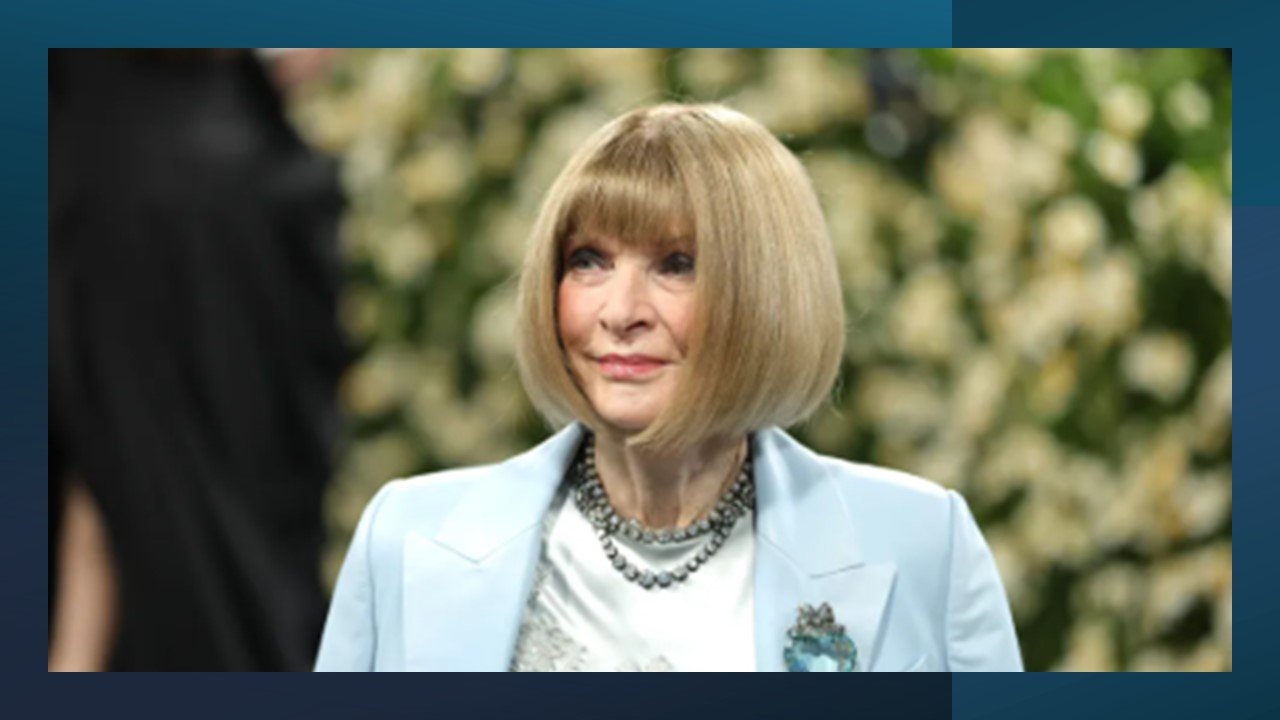
Anna Wintour, a name synonymous with fashion and style, has been a pivotal figure in the global fashion industry for decades. As the editor-in-chief of Vogue magazine since 1988, Wintour has not only shaped the magazine’s identity but has also influenced the broader cultural landscape. Her journey from a young girl in London to a powerful media mogul is a testament to her vision, determination, and ability to adapt to the ever-changing world of fashion.
Early Life and Education
Born on November 3, 1949, in Hampstead, London, Anna Wintour was raised in a family deeply entrenched in the media. Her father, Charles Wintour, was the editor of the Evening Standard, which provided Anna with early exposure to the world of journalism and publishing. She attended the prestigious North London Collegiate School and later Queen’s College, where she developed a keen interest in fashion and writing.
Wintour’s career began in the 1970s when she took a position as an editorial assistant at Harper’s & Queen. Her early experiences in the fashion industry were formative, allowing her to hone her skills and establish connections that would prove invaluable later in her career. After a brief stint in New York, where she worked for Harper’s Bazaar, Wintour returned to London to serve as the fashion editor for British Vogue.
Rise to Prominence
In 1988, Wintour was appointed editor-in-chief of American Vogue, succeeding Grace Mirabella. This marked a significant turning point in her career and the magazine’s history. Wintour’s vision for Vogue was clear: she aimed to modernize the publication by incorporating a more diverse range of voices and perspectives, particularly those of celebrities and influential figures from various fields.
Her first cover featured model Michaela Bercu in a Christian Lacroix jacket and jeans, a departure from the traditional glamorous images that had dominated Vogue covers. This bold choice signaled a new era for the magazine, one that embraced a more relatable and accessible approach to fashion. Wintour’s mantra of “mass with class” became a guiding principle, allowing Vogue to resonate with a broader audience.
Transforming Fashion Media
Under Wintour’s leadership, Vogue evolved into a cultural powerhouse. She was instrumental in launching several spin-off publications, including Teen Vogue, which catered to a younger demographic. Wintour’s ability to identify and nurture emerging talent in the fashion industry helped elevate the careers of numerous designers, including Marc Jacobs and Alexander McQueen.
Wintour’s influence extended beyond the pages of Vogue. She played a crucial role in transforming the Met Gala into a high-profile event that attracts global attention. The annual fundraising gala for the Costume Institute of the Metropolitan Museum of Art became a showcase for fashion’s elite, with Wintour serving as co-chair for many years. Her efforts not only raised millions for the museum but also solidified her status as a key figure in the fashion world.
The Celebrity Factor
One of Wintour’s most significant contributions to fashion media was her embrace of celebrity culture. By featuring prominent figures such as Madonna, Nicole Kidman, and Hillary Clinton on the cover of Vogue, she blurred the lines between fashion and entertainment. This strategy not only increased the magazine’s circulation but also positioned Vogue as a cultural touchstone.
Wintour’s approach to celebrity covers was groundbreaking. She recognized that the public’s fascination with celebrities could be harnessed to elevate fashion narratives. This shift in focus allowed Vogue to remain relevant in an increasingly competitive media landscape, particularly as social media began to reshape how audiences consumed fashion content.
Challenges and Controversies
Despite her many successes, Wintour’s tenure has not been without challenges. She faced criticism for her perceived aloofness and demanding nature, earning her the nickname “Nuclear Winter.” Her management style, characterized by high expectations and a no-nonsense attitude, has been both praised and scrutinized.
Wintour’s decisions have occasionally sparked controversy, such as the backlash surrounding the April 2008 cover featuring LeBron James and Gisele Bündchen, which some critics argued reinforced racial stereotypes. Additionally, her past support for fur fashion drew protests from animal rights activists, leading to public scrutiny of her choices.
Navigating the Digital Age
As the fashion industry began to shift towards digital platforms, Wintour faced the challenge of adapting Vogue to the online landscape. In 2018, she was appointed Condé Nast’s global chief content officer, a role that allowed her to oversee the company’s digital strategy. Wintour recognized the importance of social media and digital engagement, ensuring that Vogue remained a leader in the evolving media landscape.
Her ability to embrace change has been a hallmark of her career. Wintour’s foresight in recognizing the potential of platforms like Instagram has allowed Vogue to connect with younger audiences and maintain its relevance in a fast-paced digital world.
Philanthropic Efforts
Beyond her editorial accomplishments, Wintour has been a passionate advocate for various philanthropic causes. She has played a significant role in raising funds for AIDS research and has been involved with numerous charitable organizations. Her commitment to social issues has further solidified her status as a leader in the fashion industry.
Wintour’s philanthropic efforts culminated in the establishment of the Anna Wintour Costume Center at the Metropolitan Museum of Art, a testament to her dedication to the arts and culture. This center not only honors her contributions but also serves as a platform for future generations of fashion enthusiasts and professionals.
The Legacy of Anna Wintour
As Wintour announced her decision to step down as editor-in-chief of Vogue in June 2025, her legacy as a transformative figure in fashion media became even more pronounced. While she will continue to serve as the magazine’s global editorial director, her departure from the role she has held for nearly four decades marks the end of an era.
Wintour’s impact on the fashion industry is undeniable. She has redefined what it means to be a fashion editor, blending the worlds of fashion, celebrity, and culture in a way that has resonated with audiences worldwide. Her ability to adapt to changing times while maintaining a clear vision has set a standard for future leaders in the industry.
Speculation on Her Successor
With Wintour’s departure, speculation about her successor has begun. Industry insiders suggest that potential candidates may include figures like Eva Chen, Chioma Nnadi, and Amy Astley, all of whom bring unique perspectives and experiences to the table. The challenge for Wintour’s successor will be to navigate the complexities of the modern fashion landscape while honoring the legacy she has built.
Conclusion
Anna Wintour’s journey from a young girl in London to a global fashion icon is a remarkable story of ambition, resilience, and innovation. Her contributions to Vogue and the fashion industry as a whole have left an indelible mark, shaping the way we perceive fashion and its role in society. As she transitions into a new chapter of her career, Wintour’s influence will undoubtedly continue to be felt for years to come, inspiring future generations of fashion leaders and enthusiasts alike.