
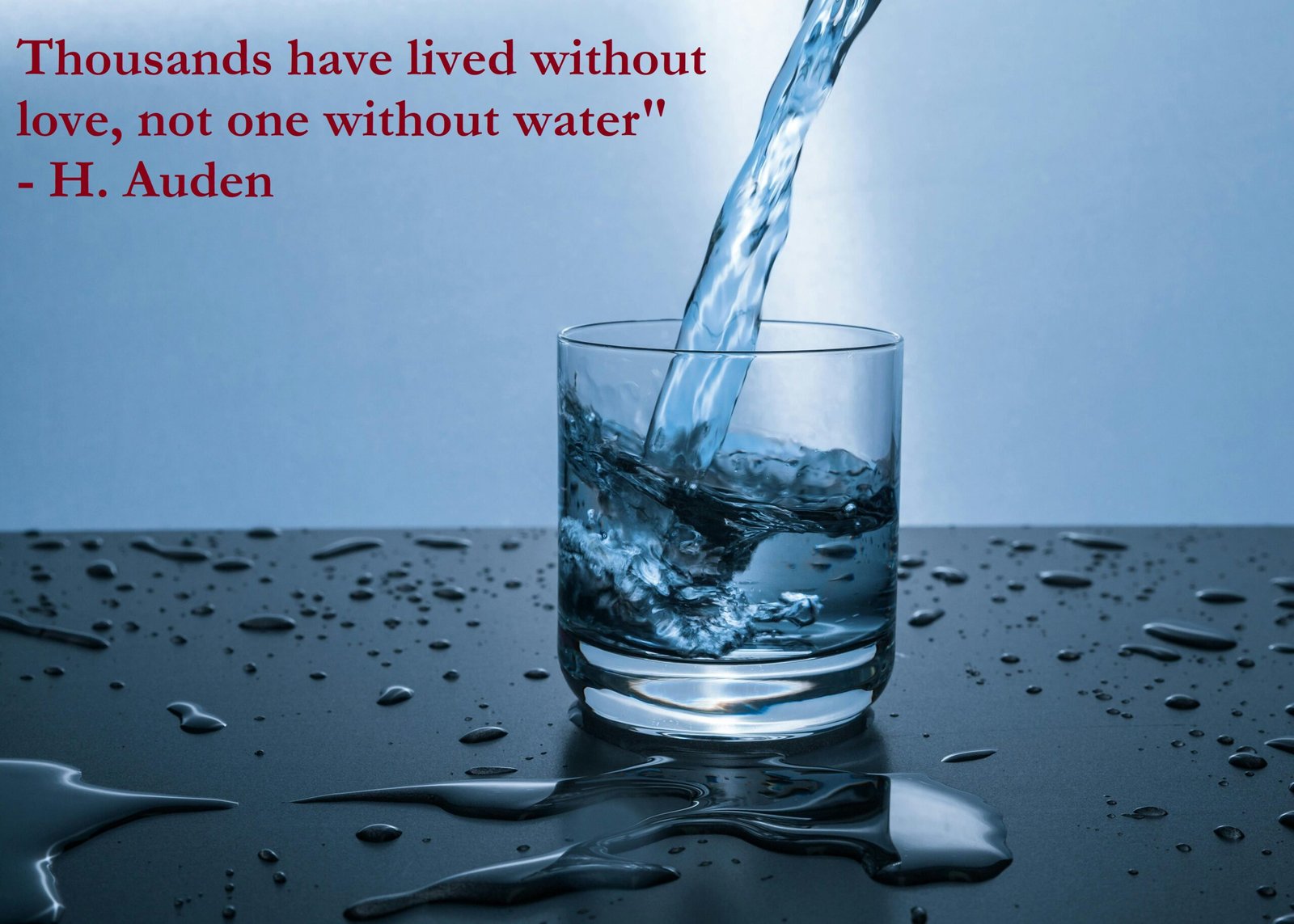
How much water should you drink daily? Despite the popular “eight glasses a day” advice we’ve all heard, science suggests hydration needs are far more individual than this one-size-fits-all approach.
Staying properly hydrated is fundamental to maintaining a healthy lifestyle and supporting fitness goals. In fact, drinking abundant water affects everything from your energy levels to your skin’s freshness. However, many people remain confused about their actual hydration requirements. According to recent research, factors like your activity level, climate, and even certain medications can significantly alter how much water your body needs. This comprehensive guide examines the science behind proper hydration and provides practical advice to help you stay hydrated throughout your day—no matter your personal circumstances.

Why your body needs water every day
Water comprises about 60% of your adult body weight, functioning as much more than just a thirst quencher. Your body relies on water for nearly all its critical systems to operate efficiently. Let’s explore why maintaining proper hydration is essential for your overall health and well-being.
Water’s role in body temperature and metabolism
Your body’s ability to regulate temperature depends heavily on proper hydration. During physical activity or exposure to heat, your body produces sweat to cool itself through evaporation. This cooling mechanism can cause water losses ranging from 0.3 liters per hour when sedentary to a substantial 2.0 liters per hour during intense activity in hot environments.
When you’re properly hydrated, sweating effectively controls rising core temperatures. Conversely, even mild dehydration compromises this cooling system. Studies show that a water deficit of just 1% of body weight significantly elevates core temperature during exercise. This happens because dehydration reduces both sweating rate and skin blood flow—two critical mechanisms for heat dissipation.
Water also plays a surprising role in your metabolism. Research demonstrates that drinking 500 ml of water increases metabolic rate by 30% in both men and women, with the thermogenic effect lasting about 30-40 minutes. Essentially, water drinking stimulates sympathetic nervous system activity, which boosts your metabolic rate and daily energy expenditure.
How hydration supports organs and joints
Proper hydration is fundamental to joint health and function. Your joint cartilage consists of 65-80% water, while the cushioning synovial fluid that delivers nutrients to your joints requires adequate hydration to be produced effectively. When you stay well-hydrated, this fluid acts as a shock absorber, reducing friction between bones during movement.
For your kidneys, water is particularly crucial. These vital organs filter waste and regulate fluid balance more efficiently with abundant water supply. When conserving water, your kidneys produce more concentrated urine, requiring greater energy expenditure and causing more tissue wear. Additionally, dehydration can increase the risk of kidney stones and urinary tract infections.

Water also supports:
- Nutrient and oxygen transport to cells
- Waste product elimination
- Blood volume maintenance for proper circulation
- Lubrication of mucous membranes
- Cushioning of the brain and spinal cord
Furthermore, adequate hydration helps maintain the health and integrity of every cell in your body while aiding digestion and preventing constipation.
What happens when you’re dehydrated
Dehydration occurs when your body loses more fluid than it takes in. Even mild dehydration can trigger noticeable symptoms and impair bodily functions. Research indicates that dehydration can reduce maximal aerobic power by 10-27% and physical work capacity by 22-48% when combined with heat stress.
Early warning signs of dehydration include:
- Thirst (often a late signal)
- Headaches (which typically resolve within 30 minutes to 3 hours after rehydrating)
- Darker urine color and decreased frequency
- Fatigue and mood changes
- Dizziness or lightheadedness
- Dry mouth and lips
In more severe cases, dehydration can lead to serious complications such as heat injury, kidney problems, and even seizures due to electrolyte imbalances. Additionally, chronic dehydration has been linked to increased joint pain because it interferes with synovial fluid production and can increase inflammatory responses throughout the body.
For athletes and physically active individuals, maintaining hydration is particularly vital. Unfortunately, studies show that voluntary water intake during exercise and heat exposure often results in incomplete fluid replacement, with individuals commonly experiencing 2-8% body weight loss through dehydration despite water availability.
Knowing how much water you should drink daily becomes critical when understanding these essential bodily functions that depend on proper hydration. Your daily water needs vary based on several factors we’ll explore in upcoming sections.
How much water should you drink daily?
Determining the ideal amount of water to consume depends on various individual factors rather than following a one-size-fits-all recommendation. Let’s dive into what science actually tells us about optimal daily water intake.

Recommended intake for men and women
The U.S. National Academies of Sciences, Engineering, and Medicine has established guidelines for adequate daily fluid intake based on extensive research:
- Men: Approximately 15.5 cups (3.7 liters) of total fluids daily
- Women: About 11.5 cups (2.7 liters) of total fluids daily
It’s important to note that these recommendations encompass all fluids from various sources—not just plain water. Generally, individuals don’t need to track every ounce; instead, these guidelines provide a framework for maintaining proper hydration levels.
Interestingly, most American adults come close to meeting these targets naturally. Research from 2009-2012 showed men consumed an average of 3.46 liters daily, while women averaged 2.75 liters. Moreover, physical activity levels correlate with water consumption—highly active men consumed 3.63 liters compared to 3.15 liters for those with low activity.
How food contributes to hydration
Many people overlook that food plays a substantial role in meeting daily hydration needs. Typically, about 20% of your daily water intake comes directly from the food you eat. For instance, a person requiring 2.7 liters would get roughly 540ml (about 2.3 cups) from food alone.
Certain foods are especially effective hydrators:
- 90-100% water content: Watermelon, strawberries, lettuce, celery, and spinach
- 70-89% water content: Bananas, grapes, oranges, carrots, broccoli, and yogurt
This substantial contribution from food explains why most people don’t necessarily need to drink excessive amounts of plain water. Plain water typically makes up only about 30-34% of total daily water intake for most adults, with men getting approximately 30% and women 34% from plain wate.
Why the ‘8 glasses a day’ rule is outdated
The popular recommendation to drink eight 8-ounce glasses (64 ounces) of water daily has become deeply ingrained in our health consciousness—yet it lacks scientific backing.
This myth apparently originated from a 1945 Food and Nutrition Board recommendation suggesting people need about 2.5 liters daily. Notably, the recommendation included an often-overlooked sentence: “Most of this quantity is contained in prepared foods”.
The 8×8 rule fails to account for:
- Individual differences in body size, activity level, and environment
- Contributions from other beverages and food
- Varying hydration needs based on health conditions
For many health metrics, research has failed to demonstrate benefits from drinking extra water beyond what thirst dictates. Prospective studies don’t find improvements in kidney function or mortality rates when healthy people increase fluid intake beyond their natural inclination.

Perhaps most revealing is that when researchers consistently find that two-thirds of healthy children have what would be classified as “abnormal” hydration levels by strict standards, it suggests the definition—not their health—might be problematic.
Rather than forcing yourself to meet an arbitrary target, focus on factors that genuinely affect your hydration needs: exercise level, climate, health conditions, and pregnancy/breastfeeding status. Additionally, checking your urine color provides a practical way to monitor hydration—aim for pale yellow, similar to a sticky note.
Factors that change your hydration needs
Your individual hydration requirements aren’t static—they fluctuate based on several key factors throughout your life and even day-to-day. Understanding these variables helps you adjust your water intake precisely when your body needs it most.
Exercise and physical activity
Physical exertion dramatically increases your fluid needs. During intense activity, you can lose up to 2 quarts of fluid per hour, while endurance activities may drain as much as 3 quarts hourly. This rapid loss affects performance quickly—research shows that a fluid deficit greater than 2% leads to significant declines in aerobic exercise performance and cognitive function, while a 3-5% deficit impairs high-intensity activities like resistance training.
To stay properly hydrated during exercise:
- Drink 2-4 mL of water per pound of bodyweight 2-4 hours before activity
- Consume 0.4-0.8 L (13.5-27 oz) of fluid per hour during exercise
- After workouts, replenish with 1.25-1.5 L for every kilogram of bodyweight lost
Weather and environment
Environmental conditions substantially alter your hydration requirements regardless of activity level. Surprisingly, dehydration occurs in cold climates as readily as in hot ones—soldiers in cold-weather operations frequently experience 3-8% body weight loss through dehydration.
Cold environments increase fluid loss through several mechanisms: cold-induced diuresis, greater respiratory water losses (especially at higher metabolic rates), and reduced thirst sensation. Additionally, bulky cold-weather clothing increases metabolic rate during activity by 10-20%, further elevating fluid needs.
Likewise, hot, humid conditions accelerate sweat rates, while high altitudes intensify respiratory water losses. These environmental factors require conscious adjustment of your daily water intake.

Health conditions and medications
Numerous medications significantly impact hydration status by altering kidney function or causing fluid loss. Diuretics prescribed for high blood pressure or heart problems remove salt and water from your body. Other medications that increase dehydration risk include laxatives, chemotherapy drugs (which cause vomiting and diarrhea in up to 80% of patients), anticholinergics, and many antipsychotics.
Certain health conditions also modify hydration requirements, with those having high blood pressure, diabetes, or heart disease often needing customized fluid intake plans.
Pregnancy and breastfeeding
Fluid needs increase substantially during both pregnancy and breastfeeding. Pregnant women should consume approximately 12 cups (96 ounces) daily, while breastfeeding mothers need even more—about 16 cups (128 ounces).
These increased requirements support crucial functions: water helps form amniotic fluid during pregnancy and constitutes 88% of breast milk. Breastfeeding mothers lose approximately 25 ounces of water through milk production daily, necessitating consistent hydration throughout the day.
How to tell if you’re drinking enough
Monitoring your body’s hydration status doesn’t require fancy equipment or medical tests. Indeed, several simple self-assessment techniques can help determine if you’re drinking enough water daily.
Urine color and frequency
Your urine provides one of the most reliable indicators of hydration status. Pale, clear urine typically signifies good hydration, while dark, strong-smelling urine indicates dehydration. For practical assessment, compare your urine to a color chart:
- Colors 1-3 (pale yellow like light straw): Well-hydrated
- Colors 4 (slightly darker yellow): Mildly dehydrated
- Colors 5-6 (medium-dark yellow): Dehydrated
- Colors 7-8 (dark amber or brown): Very dehydrated
Interestingly, frequency matters too. Research shows well-hydrated individuals urinate approximately five times over 24 hours, while dehydrated people average only three urinations daily. Under normal conditions, healthy urine output ranges from 1000-2000mL per day.
Thirst as a late signal
Although seemingly intuitive, thirst isn’t actually the best indicator of your hydration needs. By the time you feel thirsty, you’re already dehydrated. The thirst sensation typically triggers only after a body water loss of 1-2%—a point where physical and cognitive performance might already be declining.
Consequently, relying solely on thirst can lead to chronic mild dehydration. Research demonstrates that the desire to drink may diminish before achieving full water balance, creating a hydration gap. While the absence of thirst doesn’t guarantee proper hydration, the presence of thirst definitely indicates you need water.

Using body weight before and after workouts
For athletes and fitness enthusiasts, weighing before and after exercise offers a precise hydration assessment. Each pound lost during activity represents approximately one pint of water that needs replacement. The formula is straightforward: 1 gram of lost mass equals 1 milliliter of water lost.
If you lose more than 1% of your body weight during exercise, you likely didn’t drink enough; if you gained weight, you probably drank too much. Morning weigh-ins also help detect hydration trends—fluctuations exceeding 1% from your baseline may indicate water imbalance.
For the most accurate assessment, experts recommend using a combination of all three methods: morning body weight, urine color, and thirst sensation. If any one indicates potential dehydration, increase your water intake; if two or more suggest dehydration, you almost certainly need to drink more water.
Can you drink too much water?
While staying hydrated is crucial, consuming excessive amounts of water can lead to a dangerous condition called water intoxication. Your kidneys can only process about 0.8 to 1.0 liters of water per hour, hence drinking beyond this capacity can disrupt your body’s delicate electrolyte balance.
What is hyponatremia?
Hyponatremia occurs when blood sodium levels fall below 135 milliequivalents per liter (mEq/L). This happens when too much water dilutes the sodium concentration in your bloodstream. Under these circumstances, fluid moves into your cells—including brain cells—causing them to swell.
The symptoms progress from mild to severe. Initially, you might experience headaches, nausea, vomiting, and fatigue. As the condition worsens, confusion, muscle weakness, cramps, and even seizures may develop. In extreme cases, hyponatremia can lead to brain herniation, coma, and death.
Who is at risk?
Endurance athletes face the highest risk among healthy individuals. Marathon runners, triathletes, and military personnel sometimes drink excessive water while sweating profusely, creating perfect conditions for electrolyte imbalance. In fact, a study of the 2002 Boston Marathon found that 13% of participants showed hyponatremia symptoms.
Along with athletes, people with certain health conditions face elevated risks, primarily those with:
- Kidney disease or failure
- Liver disease/cirrhosis
- Heart failure
- Mental health conditions like schizophrenia (which may cause compulsive water drinking)
Additionally, certain medications increase vulnerability, including diuretics, some antidepressants, and antipsychotics. Recreational drugs, particularly MDMA (ecstasy), significantly elevate thirst sensation while affecting water retention.
How to avoid overhydration
To prevent water intoxication, listen to your body’s natural thirst signals rather than forcing yourself to drink predetermined amounts. Typically, healthy adults should avoid consuming more than one liter of fluid per hour.
For athletes, weighing yourself before and after exercise helps track fluid losses accurately. Sports beverages containing electrolytes are preferable to plain water during extended workouts.
Monitor your urine color—if it’s consistently clear rather than pale yellow, you might be drinking too much. Normal urination frequency is about 6-8 times daily; exceeding this substantially could indicate overhydration.
Remember that while dehydration receives more attention, balance remains key. Drinking water is vital for health, but moderation prevents dangerous electrolyte imbalances.
Conclusion
Proper hydration remains essential for optimal health, yet science clearly shows that water needs vary significantly among individuals. This comprehensive review demonstrates that while general guidelines recommend 15.5 cups for men and 11.5 cups for women daily, numerous factors alter these requirements. Your exercise intensity, surrounding climate, existing health conditions, and life stages like pregnancy all significantly impact how much water your body actually needs.
Rather than adhering to outdated rules like “eight glasses daily,” listening to your body provides a more reliable approach. Monitoring urine color offers perhaps the most practical method—pale yellow indicates proper hydration, while darker shades signal dehydration. Additionally, tracking weight changes before and after workouts helps athletes maintain optimal fluid balance during intense activity.
Finding balance proves crucial because both dehydration and overhydration carry risks. Mild dehydration can hamper physical performance and cognitive function, while excessive water consumption potentially leads to dangerous hyponatremia, especially for endurance athletes or those with certain health conditions.
Ultimately, hydration represents a personalized aspect of health maintenance. Your body requires sufficient water to support vital functions from temperature regulation to joint lubrication, though exact quantities differ based on individual circumstances. Therefore, instead of forcing arbitrary water quotas, focus on developing awareness of your unique hydration signals and adjusting intake accordingly. This mindful approach ensures your body receives precisely what it needs—no more, no less.