
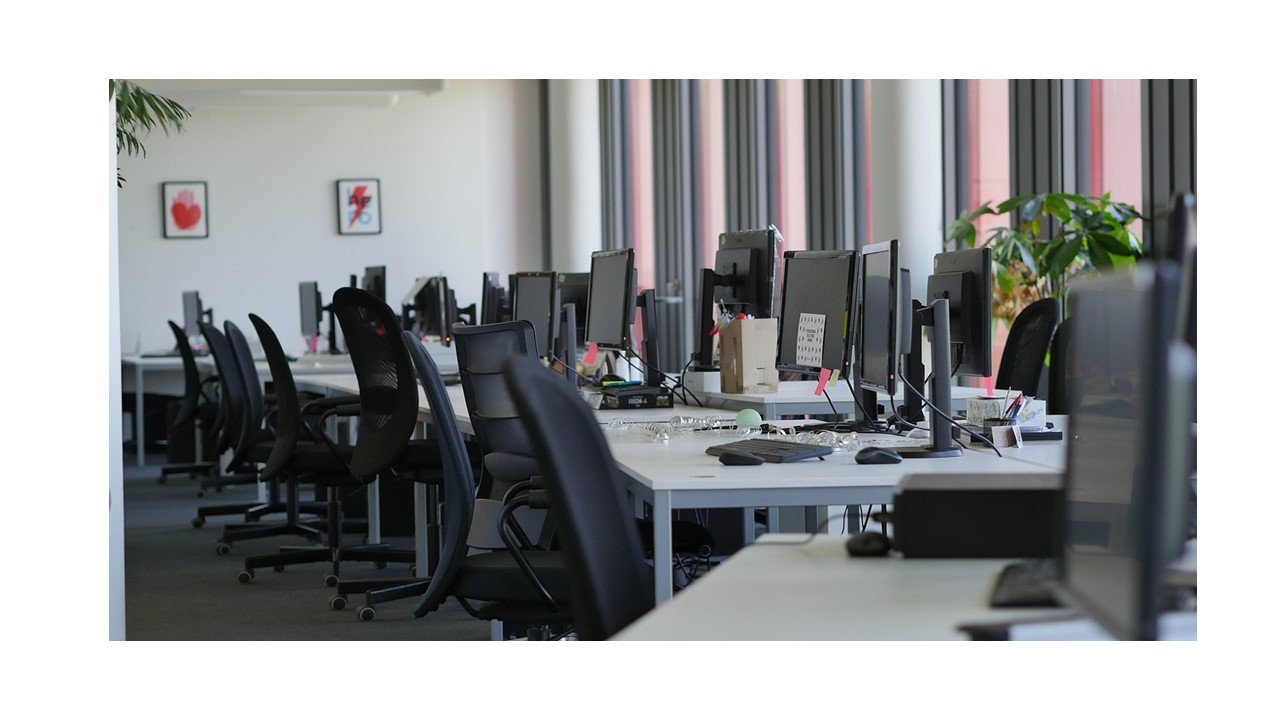
The landscape of work has undergone a seismic shift in recent years, particularly in the tech industry. The COVID-19 pandemic accelerated the adoption of remote work, leading many companies to embrace flexible work arrangements. However, as the world gradually returns to normalcy, a pressing question arises: Is remote work truly coming to an end in the U.S. tech sector? This article delves into the current state of remote work, examining the factors influencing its future and the implications for both employees and employers.

The Rise of Remote Work
Historical Context
Remote work was not a novel concept prior to the pandemic, but its widespread adoption was largely limited to specific industries and roles. The onset of COVID-19 forced organizations to pivot rapidly, with many tech companies transitioning to fully remote operations almost overnight. This shift demonstrated the viability of remote work, leading to increased productivity and employee satisfaction for many.
The Initial Enthusiasm
In the early days of remote work, both employers and employees celebrated the newfound flexibility. Companies like Twitter and Facebook announced permanent remote work options, while employees enjoyed the benefits of reduced commuting time and increased work-life balance. The tech industry, known for its adaptability, seemed poised to embrace this change long-term.

The Shift Back to the Office
Return-to-Office Mandates
Despite the initial enthusiasm for remote work, many companies are now reversing course. Major players such as Amazon, Dell, and Walmart have begun issuing return-to-office (RTO) mandates, requiring employees to return to physical workplaces. This shift is driven by several factors, including the desire to utilize expensive office real estate and a belief that in-person collaboration fosters greater productivity.
The Impact of Leadership
Leadership styles play a significant role in the push for RTO. Research indicates that companies led by male CEOs are more likely to mandate in-office work, as these leaders often have a traditional view of productivity tied to physical presence. This dynamic raises questions about the future of remote work, particularly in organizations where leadership is resistant to change.
Employee Sentiment and Resistance
The Employee Perspective
While companies may be eager to return to pre-pandemic norms, many employees are resistant to the idea of full-time office work. Data from BambooHR reveals that nearly half of remote workers would consider leaving their jobs if required to return to the office full-time. This sentiment underscores the importance of flexibility in the modern workplace.
Coffee Badging and Engagement
In response to RTO mandates, some employees have adopted a practice known as “coffee badging,” where they make brief appearances in the office without fully engaging in the work environment. This behavior reflects a growing discontent with rigid work structures and highlights the potential for decreased productivity and morale among employees who feel forced back into the office.

The Future of Remote Work
Hybrid Models as a Compromise
As companies navigate the complexities of remote work, hybrid models are emerging as a potential compromise. These arrangements allow employees to split their time between remote and in-office work, catering to diverse preferences and needs. Research indicates that hybrid work is likely to become a permanent fixture in many organizations, providing a balance between flexibility and collaboration.
The Role of Smaller Companies
Interestingly, smaller firms are leveraging remote work as a competitive advantage in attracting talent. With larger corporations tightening their remote work policies, smaller companies are capitalizing on the opportunity to offer flexible arrangements, appealing to job seekers who prioritize work-life balance. This trend may lead to a shift in the labor market, with smaller companies gaining traction in the talent acquisition race.
Economic Considerations
The Cost of Office Space
The economic implications of remote work are significant. Companies are reevaluating their real estate needs, with many opting to downsize or repurpose office spaces. This shift not only reduces overhead costs but also reflects a changing mindset about the necessity of physical office environments. As remote work becomes more entrenched, the demand for traditional office space may continue to decline.

Productivity and Profitability
The relationship between remote work and productivity remains a topic of debate. While some studies suggest that remote workers are more productive, others indicate that in-office collaboration can lead to increased innovation and problem-solving. Companies must carefully consider their unique cultures and operational needs when determining the optimal work model.
Conclusion
The future of remote work in the U.S. tech industry is uncertain, characterized by a complex interplay of employee preferences, leadership styles, and economic considerations. While some companies are pushing for a return to traditional office environments, many employees are advocating for continued flexibility. As organizations navigate this evolving landscape, hybrid work models may emerge as a viable solution, allowing companies to balance the benefits of remote work with the advantages of in-person collaboration. Ultimately, the success of remote work will depend on the willingness of employers to adapt to the changing needs of their workforce.

Recommendations for Employers
- Assess Employee Preferences: Conduct surveys to gauge employee sentiment regarding remote work and flexibility.
- Consider Hybrid Models: Explore hybrid work arrangements that allow for a mix of remote and in-office work.
- Foster a Collaborative Culture: Invest in tools and technologies that facilitate collaboration, regardless of location.
- Communicate Clearly: Maintain open lines of communication with employees about expectations and policies related to remote work.
- Monitor Productivity: Regularly assess productivity levels and employee engagement to ensure that work arrangements are effective.
By embracing flexibility and prioritizing employee needs, companies can navigate the evolving landscape of remote work and position themselves for success in the future.